Commercial Dryer Vent Cleaning
Apartments, Condos & Businesses
When one building has dozens of dryers, one clogged vent puts everyone in it at risk. Apartment buildings, condos, rental homes and businesses with on-site laundry all need a plan for keeping vents clear, and a crew that can work around residents, tenants and building rules.
More Fresh Air Services provides commercial dryer vent cleaning across Washington DC, Maryland and Northern Virginia. We inspect first, clean each vent from the dryer to the outside, check the airflow, and tell you what we found in each unit. You get the price before any work starts.
Tell us about the building and what residents are seeing. We will get back to you with the next step.
or call now (888) 509-3828
Signs a Building Needs Vent Service
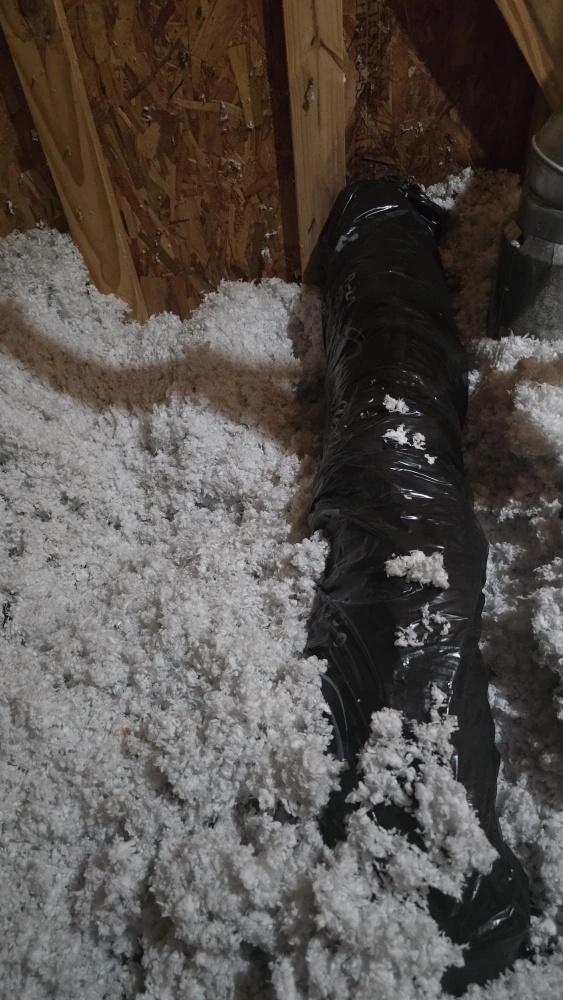
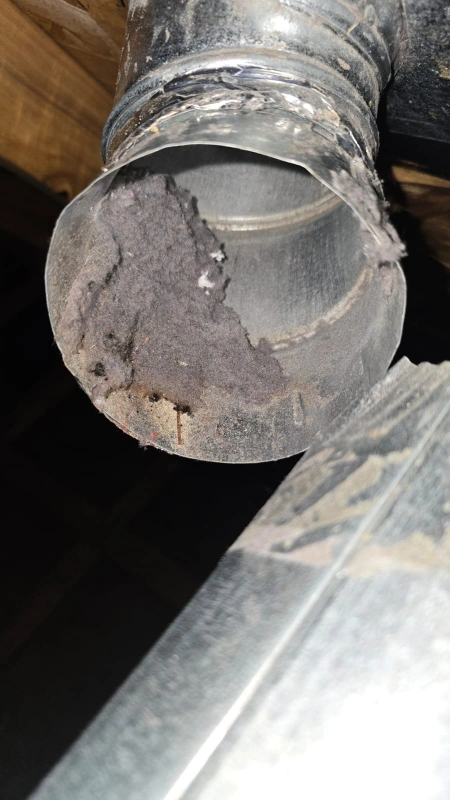
- Residents say clothes take two cycles to dry.
- Laundry rooms or closets feel hot and humid.
- Lint builds up around wall hoods or roof caps.
- Someone reports a hot or burning smell near a dryer.
- No one can say when the vents were last cleaned.
- Units are turning over and dryers are being moved.
- A nest or a crushed hood is visible from the ground.
In multi-unit buildings these complaints often reach the manager late, because residents assume the dryer is just old. A building wide inspection finds the problem before it turns into a service call or a fire.
Why It Matters
The U.S. Fire Administration counts about 2,900 clothes dryer fires in residential buildings each year and lists failure to clean as the leading factor, at 34 percent.
In buildings with gas dryers, a blocked vent can also push carbon monoxide back inside. See carbon monoxide risks from gas dryers.
Buildings We Work In
Apartment Buildings
Separate vents for each unit, often with long runs through ceilings to a wall or roof exit.
Condos & Co-ops
Stacked units that may connect to a shared riser. We work with the board or management on access and notice.
Townhouse Communities & Rentals
Homeowner associations and rental owners with many similar homes that need the same service on a schedule.
Businesses With Laundry
Offices and businesses with on-site dryers. We do not clean kitchen exhaust hoods.
A building job is planned differently from a single home. We need to know how many units there are, whether each dryer has its own vent or joins a shared riser, where the vents exit, and how residents will be told. With that, we can schedule the work floor by floor or unit by unit and keep disruption low.
Our guide to dryer vent cleaning for landlords and property managers covers turnover scheduling. For shared risers, see how vents work in condos and high rise buildings, and for tenant questions, who handles vent cleaning in a rental.
Managing Several Units?
Send us the address, the number of units and how the vents exit. We will set up an inspection and give you a price before any cleaning starts.
Code Basics for Multi-Unit Buildings
Mechanical codes across the DMV are based on the International Mechanical Code, and Section 504 covers clothes dryer exhaust. Points that matter for managers:
- Exhaust must end outdoors with a backdraft damper, and no screen at the outlet.
- Each vertical riser must have a way to clean it out.
- Shared exhaust systems in multistory buildings have extra rules, including a cleanout at the base of the shaft and a fan that runs all the time.
- Booster fans in dryer ducts must be listed to UL 705.
- Commercial dryers must be vented the way the maker’s instructions require.
Your local building or fire official decides what applies to your building. We clean and inspect vents; we do not certify code compliance.
Why No Screen?
A screen catches lint right where the air leaves the building, and the code does not allow one at the outlet.
No Screens.
A working damper or flap keeps birds out instead.
How a Building Job Works
Most jobs follow these steps:
Walk the Building
We look at sample units, the exhaust route and the wall or roof outlets.
Price and Schedule
You get the price and a schedule that fits your residents or business hours.
Clean Each Vent
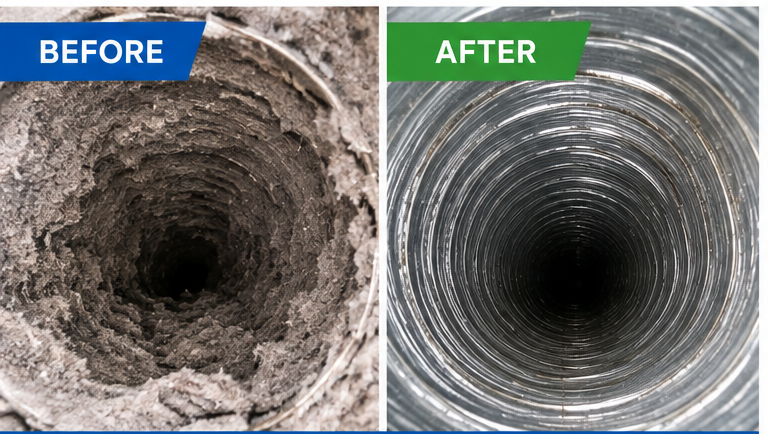
Rotary brushes and HEPA vacuums clear each duct from the dryer to the outside.
Clear the Outlets
We clean the hoods or roof caps, remove nests and check that dampers move freely.
Test Airflow
We check the airflow at the outside end after cleaning.
Report Back
You hear which units had heavy lint, crushed hose or damage that needs repair.
Damage We Find in Multi-Unit Buildings
A common cause of slow drying in apartments is not lint at all. It is a hose crushed flat when the dryer was pushed back after a move. We also find joints pulled apart inside ceilings, foil or vinyl hose that should be replaced, broken hoods and nests in wall vents.
We show you each problem and give you the price for any repair before doing it. See our dryer vent repair service and why moving a dryer breaks the vent behind it.
When You Need a Different Trade
We clean and repair vents. Gas lines, wiring and appliance repairs belong to other trades, and we tell you which one.
- Gas lines and gas connections need a qualified gas technician. If you ever smell gas, leave the home and call your gas utility or 911 from outside.
- Problems inside the dryer, like a failed heating element or thermal fuse, need an appliance repair technician.
- Wiring, outlets and breakers need a qualified electrician.
Why Property Managers Call Us
Duct, vent and furnace cleaning is all we do, and we have served the DMV since 2015. Property managers get one point of contact, a price before work starts, and a plain report on each unit.
Serving the DMV Since 2015
Insured and Registered
Free Inspections and Estimates
Price Given Before Work Starts
Roof Vents and Long Runs Included
HEPA Vacuums & Rotary Brushes
Where We Do Commercial Work
We work in apartment buildings, condos and businesses across Washington DC, Maryland and Northern Virginia, including Silver Spring, Bethesda, Rockville, Upper Marlboro, Bowie, Annapolis, Columbia, Baltimore, Alexandria, Arlington and Fairfax.
Looking for a single home? See dryer vent cleaning in Silver Spring, Washington DC, Rockville, Germantown, Upper Marlboro, Annapolis or Baltimore.
What Customers Say About Us
Reviews from homeowners around the DMV land on the same few things: technicians who explain what they found instead of upselling, thorough work on ducts and dryer vents, and a house left clean at the end of the job.


 Trustindex verifies that the original source of the review is Google.
 Trustindex verifies that the original source of the review is Google.
 Trustindex verifies that the original source of the review is Google.
 Trustindex verifies that the original source of the review is Google.
 Trustindex verifies that the original source of the review is Google.
 Trustindex verifies that the original source of the review is Google.
Questions From Property Managers
Many buildings clean them once a year, and turnover is a natural time to do a unit. Heavy use, long runs and roof exits can mean more often. Complaints about slow drying are the clearest sign.
We inspect a shared exhaust system on site first. Some can be cleaned through the unit connections and the cleanout at the base of the riser; others need different access. We tell you what we can do before we give a price.
Someone has to let us into each unit with a dryer. Most managers give residents notice and provide keys or an escort. Vacant units can be done at any time.
Yes. Tell us your hours when you call, and we will schedule the work to keep disruption low.
We tell you what we cleaned and what we found in each unit. We do not issue code compliance certificates; that is a matter for your building or fire official.
It depends on the number of units, how the vents run and where they exit. We inspect first and give you the price before any work starts.
No. Kitchen exhaust is a different trade, and we do not take that work.
Request a Commercial Estimate
Tell us the address, the number of units and how the vents exit, and we will set up an inspection. You get the price before we start.
Call More Fresh Air Services at 888-509-3828, or send a message through the form with a few details about your building.
