
Air Duct Cleaning
Baltimore, MD
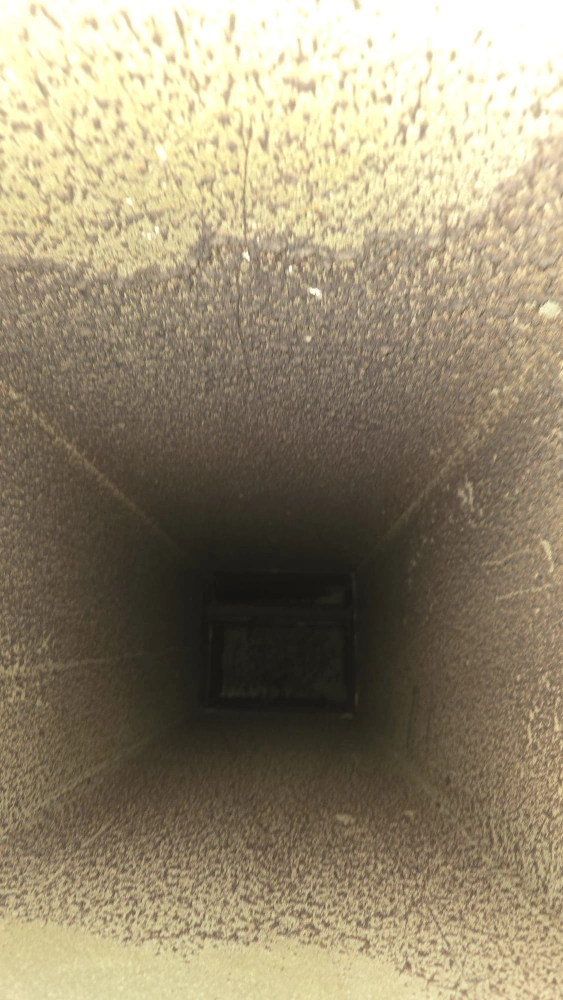
Dust that settles again two days after you clean. A stale smell when the heat first comes on. A gray layer you can see inside a vent once the cover is off.
More Fresh Air Services has cleaned ductwork across Maryland since 2015. We work throughout Baltimore City and Baltimore County, we inspect the system before we quote, and we explain what we find before any cleaning begins. Estimates are free.
Tell us where the home is and what you are seeing. We will get back to you with the next step.
or call now (888) 509-3828
Most Baltimore Houses Were Not Built for Ductwork
This is the thing that makes duct cleaning in Baltimore different from the newer suburbs, and almost nobody mentions it.
Baltimore has one of the oldest housing stocks of any major American city. A great many row homes in Hampden, Canton, Federal Hill, Charles Village, Patterson Park and Bolton Hill were built with radiators, or with no central heating at all. Forced air came later, sometimes decades later.
When a system is retrofitted into a house that was never designed for it, the ductwork goes wherever there is space. Through closets. Boxed into soffits. Up an old chimney chase. Along a basement ceiling and then up through a cupboard. The runs are longer than they would be in a purpose built house, and they bend more.
Bends and length both slow the air, and slow air drops more of what it is carrying. That is why a 1915 row home with a 1980s system often holds more material in its ducts than a house half its age.
Baltimore County is a different picture again. Towson, Parkville, Catonsville, Lutherville, Timonium and Dundalk are largely postwar ranchers, split levels and colonials, built with ducts from the start. Shorter runs, more sensible layouts, and systems that have usually been replaced once or twice since.
Then there is the waterfront, where Harbor East and the Canton condo conversions put the air handler in a closet with very little clearance and short runs that are awkward to reach.
Three different situations in one city. We look at what is actually installed rather than assuming a layout.
What a Duct Cleaning Covers
More than vacuuming the metal cover you can see from the room. Depending on the agreed scope and what is accessible, the work covers:
Supply Ducts
These carry heated and cooled air out to the rooms. Dust settles along the runs over time, heaviest where the air slows at a bend.
Return Ducts
Returns pull room air back toward the system. Because they draw air inward continuously, they collect dust, hair and lint faster than the supply side. A cleaning that leaves the returns out covers half the system.
Registers and Grilles
The visible openings in each room, cleaned along with the accessible duct area behind them.
Accessible Duct Components
Every system is laid out differently, and retrofitted ones more than most. We identify what is reachable during the inspection and confirm what is included before work starts.
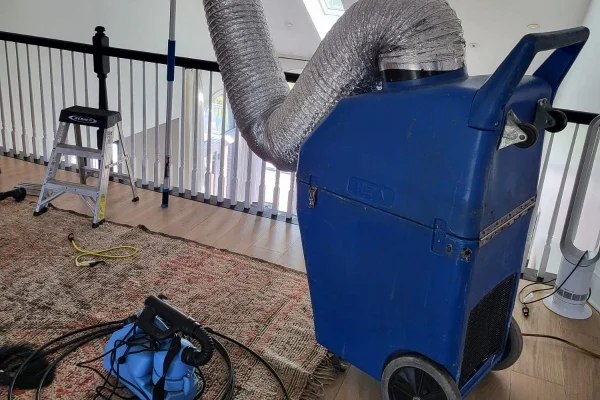
We use professional source removal cleaning methods, with HEPA filtered vacuums and rotary brushes, designed to truly remove dust, debris and buildup from your duct system. The difference matters. Pulling a vacuum across a register you can see from the room is a much narrower job than taking material out of the run behind it.
Signs Worth Paying Attention To
There is no calendar date when every house needs this. The condition of the system tells you more than the number of years since anyone looked.
- Dust puffing from a register when the system starts
- Visible debris inside an accessible duct
- Pet hair or lint collecting around register covers
- Dark marks on the wall or ceiling above a vent
- A musty or stale smell when the blower runs
- Construction dust left behind after a remodel
- Dust that keeps returning around the same vents
- No record of the duct history after moving in
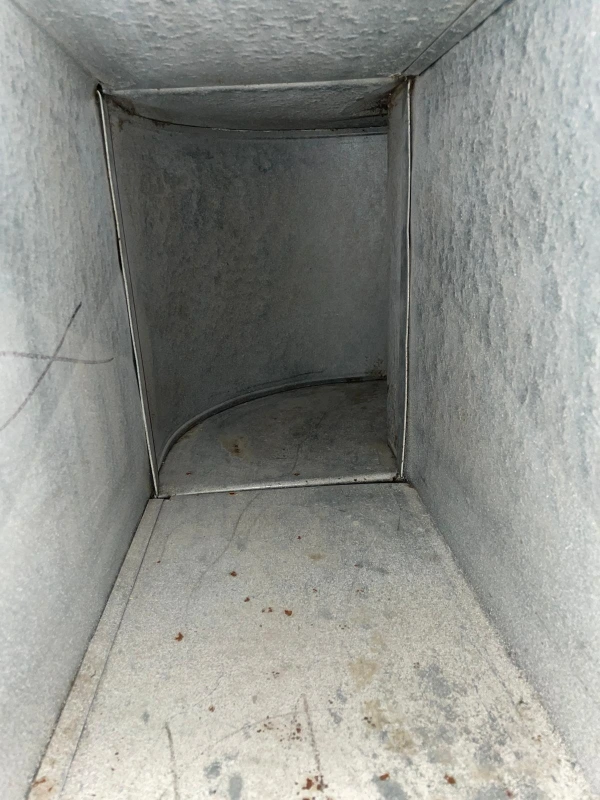
A flashlight gives you a basic look inside an accessible register. Clean sheet metal is what you want to see. A gray blanket of dust, loose fibers, or fine white powder after drywall work is worth having inspected.
Weak airflow is a different matter. Buildup can restrict a run, but closed dampers, crushed flex duct, undersized returns and equipment faults all produce the same symptom. That is why we look at the system before telling you cleaning will fix it.
Is Duct Cleaning Worth It?
It depends on what is actually in your system, and some houses do not need it.
The EPA does not recommend duct cleaning as routine maintenance simply because time has passed. Its guidance points to specific conditions: substantial visible mold growth inside the system, vermin infestation, or ducts clogged with excessive dust and debris being released into the home.
That is the standard we work to. If the ductwork is reasonably clean we will say so.
Two of those three conditions come up more in older Baltimore housing than in newer construction. Basements and cellars in hundred year old row homes are damp more often than not, and ductwork running through a damp space is where moisture problems start. Older buildings also give rodents more ways in.
For more, see the EPA’s guidance on whether you should have the air ducts in your home cleaned.
After a Renovation
Renovation throws off fine dust from drywall, sanding, cutting, flooring and demolition, and some of it ends up in the system while the work is happening. Plastic sheeting slows it and rarely stops it.
Baltimore has a lot of this. Row home rehabs, basement finishes, kitchen gut jobs and whole house renovations in neighborhoods that have been turning over for twenty years. A house that was taken back to the brick has had more dust through it than any amount of normal living produces.
If you have just finished a project that made a mess, or bought a recently flipped house, an inspection tells you whether there is material in the accessible ductwork worth removing.
What It Costs
Size of the property
Number of supply and return vents
Number of separate systems
Duct layout and how accessible the runs are
How much material is actually in there
The scope of cleaning agreed
A two bedroom row home with one short system is a different job from a county colonial with two systems and complicated runs. Estimates are free, and we confirm the scope and the cost with you before any work starts.
Call 888-509-3828 and we will go through it for your property.
What to Expect
Before we arrive, clear a little space around your floor and wall registers and make sure the furnace or air handler is reachable. If you have pets, a closed door makes the visit easier for everyone.
You can stay home. The HEPA filtered vacuums and rotary brushes we use are loud, so you may prefer to be in another part of the house while the crew is working.
We inspect, explain what we find, confirm the scope, and complete the work. Your technician can tell you what they are seeing as they go, and in a system nobody has looked at in decades there is usually something worth seeing.
We are insured and registered.
We Also Clean Dryer Vents in Baltimore
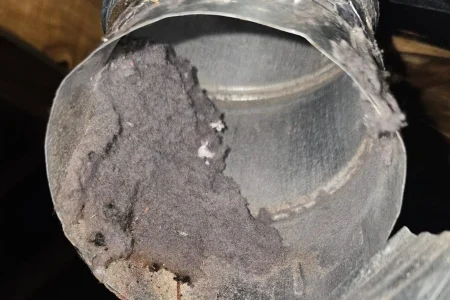
Ductwork is not the only place airflow gets restricted. In row homes the laundry is usually in the basement, which means a long exhaust run with several bends before it reaches outside, and lint collects at the lowest elbow.
The signs are easy to spot: clothes needing two cycles, a machine running hotter than it used to, or weak air at the vent outside.
Frequently Asked Questions
No. The condition of the ductwork matters more than the age of the house, although age does change the odds. The EPA recommends considering cleaning when specific conditions justify it rather than treating it as yearly maintenance.
There is no fixed schedule. The EPA does not recommend duct cleaning as routine maintenance. It suggests cleaning when there is visible mold growth inside hard surface ducts, signs of rodents or insects, or heavy dust and debris inside the ducts or blowing out of the registers.
Yes. Many row homes had forced air added long after they were built, so the ducts often run through closets, soffits and old chimney chases. We inspect first to find which runs we can reach, then confirm the scope with you before any work starts.
It can. Ducts that pass through a damp basement can pick up moisture, and moisture is what mold needs to grow. If we see signs of mold, the moisture source should be fixed first, or the growth will come back after cleaning.
After a renovation is one of the clearest times to have it done. Sanding, drywall and demolition send fine dust into the system. If you have just finished a project or bought a recently renovated house, an inspection tells you whether there is material worth removing.
Most visits take about an hour or more. Larger homes, homes with two systems and retrofitted ductwork with long runs take longer. We give you a better idea after the inspection.
Every system is different, so we do not quote a price before we see it. The size of the home, the number of vents and systems, and how easy the runs are to reach all play a part. Estimates are free, and we confirm the price before any work starts.
Yes. More Fresh Air Services is a registered business and carries liability insurance.
Around Baltimore
We work throughout Baltimore City, including Hampden, Canton, Federal Hill, Charles Village, Fells Point, Patterson Park, Bolton Hill, Highlandtown, Remington and Mount Vernon.
We also cover Baltimore County, including Towson, Catonsville, Parkville, Pikesville, Lutherville, Timonium, Owings Mills, Dundalk and Essex.
Not sure whether we cover your address? Call 888-509-3828 and we will confirm before scheduling.
Book Duct Cleaning in Baltimore
If dust keeps returning around the same vents, you have just finished a renovation, or you have moved into an older house with no record of when anyone last looked at the system, the first step is finding out what is in there.
Call More Fresh Air Services at 888-509-3828 or send a message and we will go through what your system needs. Estimates are free.
Call (888) 509-3828
Mon–Fri 8:00 AM–6:00 PM, Sat–Sun 9:00 AM–4:00 PM